



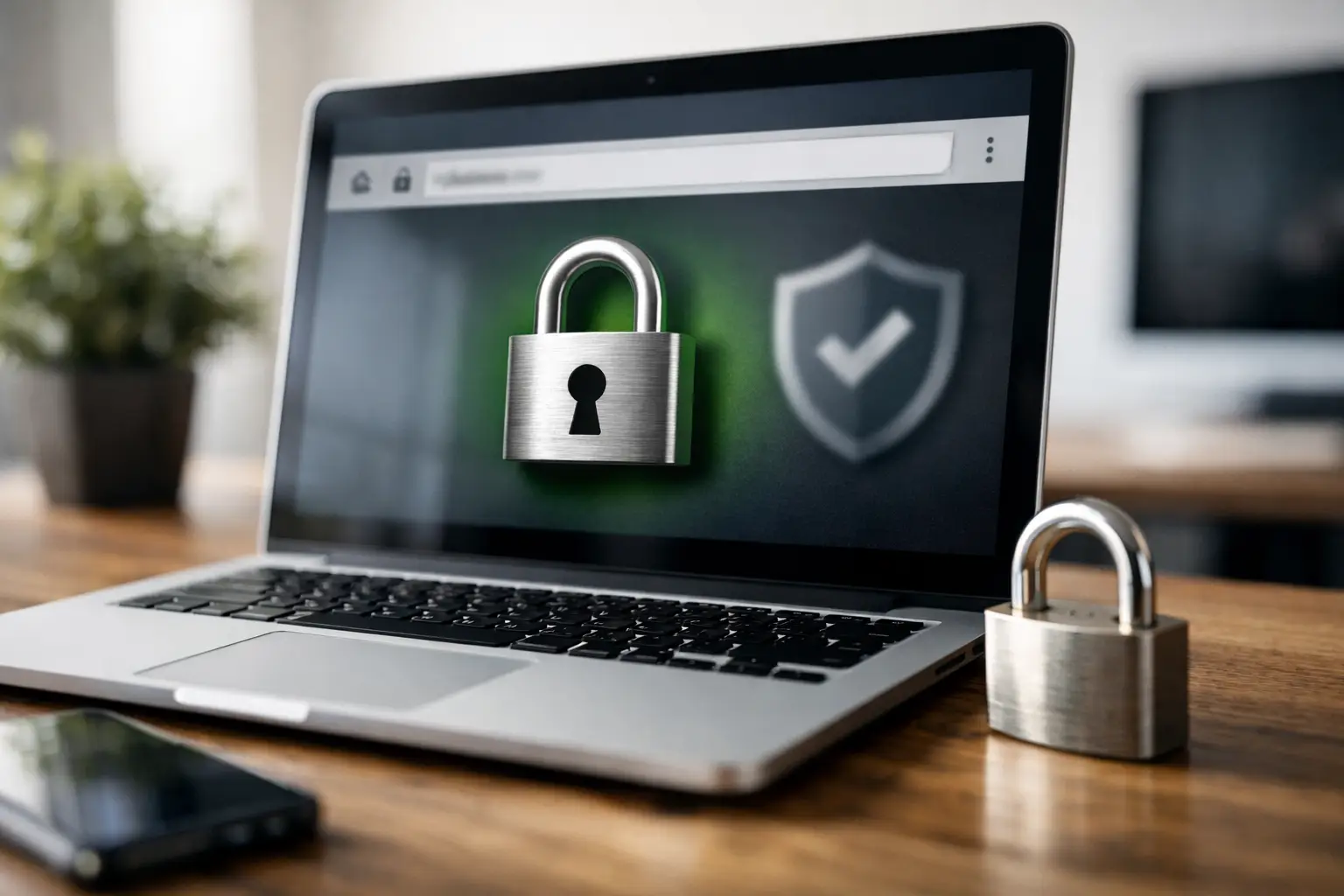
You can spend money on design, content, ads and fast hosting, then lose a customer the second their browser flashes up “Not Secure”. That tiny warning does a lot of damage. If you’ve been asking, why does my website need SSL, the short answer is simple: without it, your site looks untrustworthy, puts user data at risk and can hold back search visibility.
SSL is no longer a nice extra for online shops or login pages. It is now part of the baseline for running a credible website, whether you’re a local service business, a growing ecommerce brand, a developer managing client sites or an agency running multiple projects. If your visitors land on a site that doesn’t feel safe, many of them will leave before you get a fair chance to win their business.
Why does my website need SSL in practical terms?
SSL is the security layer that encrypts data moving between your website and your visitor’s browser. These days, what people usually see is HTTPS in the address bar and a padlock icon, although browser displays vary. What matters is that the connection is encrypted and the site presents a valid certificate.
That encryption stops third parties from reading sensitive information in transit. If someone fills in a contact form, signs in to an account, enters payment details or even just browses your pages on public Wi-Fi, SSL helps keep that session private. Without it, data is far easier to intercept or tamper with.
But security is only one part of the story. SSL also helps prove that your website is really your website. A valid certificate tells the browser that the domain belongs to the server presenting it. That reduces the risk of impersonation and gives visitors more confidence that they are dealing with the genuine business.
For many website owners, the real answer to why does my website need SSL is trust. People judge your business in seconds. If the browser warns them away, it doesn’t matter how good your service is or how fast your site loads from enterprise SSD infrastructure in a UK data centre. They may never stay long enough to find out.
SSL affects trust before a visitor reads a word
Most people won’t explain SSL in technical terms, but they do understand warning signs. If your site shows as insecure, it creates friction straight away. That can mean lower enquiries, fewer sales and a poor first impression that is hard to recover from.
This matters even more for small and medium-sized businesses. Bigger brands can sometimes survive a shaky user experience because they already have public recognition. Smaller businesses do not get that luxury. If your site looks unsafe, visitors may assume the business is neglected, outdated or risky to deal with.
For service-based businesses, that doubt can stop form submissions. For ecommerce sites, it can kill checkout conversions. For agencies and developers, it can make clients question the quality of the setup. SSL is one of those details that quietly supports every other marketing and sales effort you make.
Why does my website need SSL for SEO?
Search engines want to send users to safe websites. HTTPS has been a ranking signal for years, and while SSL alone will not push a weak site to the top of search results, it removes an unnecessary disadvantage.
Think of it as part of a solid technical foundation. Good hosting, reliable uptime, fast loading times, clean site architecture and HTTPS all work together. If you are trying to improve visibility, there is no upside in leaving SSL out of the picture.
There is also a practical search performance issue beyond rankings. If users click through from search results and see a security warning, your engagement drops. More people bounce, fewer pages get viewed and fewer visitors convert. Search engines may not love that either.
So if you are wondering whether SSL is worth it just for SEO, the honest answer is that it helps, but mainly as part of doing the basics properly. It is not a magic growth lever. It is a credibility and technical standard you should already have in place.
It is not just for checkout pages
A common misconception is that only websites handling card payments need SSL. That used to be the way many people thought about it. It no longer holds up.
If your website has a contact form, a login area, a search box, newsletter sign-up or any kind of user interaction, there is data being exchanged. Even when the information looks minor, users still expect privacy. Names, phone numbers, email addresses and messages all deserve protection.
Even a brochure website benefits. Visitors are more likely to trust your brand, browsers are less likely to display warnings and your site meets modern expectations. In other words, SSL is not just about transactions. It is about protecting the integrity of the whole browsing experience.
What SSL does and does not do
This is where a bit of nuance matters. SSL is essential, but it is not the whole security strategy.
SSL encrypts data in transit. It does not clean malware from an infected site, patch vulnerable plugins, stop weak passwords being guessed or fix poor server configuration on its own. If your website is badly maintained, installing an SSL certificate will not suddenly make it secure in every sense.
That is why good hosting still matters. Secure websites perform best when SSL sits on top of a properly managed environment with updated software, sensible permissions, backups and responsive support. Security is layered. SSL is one of the most visible and important layers, but not the only one.
This is also why some businesses feel confused after installing a certificate and still seeing issues. If mixed content, redirect problems or outdated platform components are involved, SSL may be working while the overall setup still needs attention.
Free vs paid SSL – does it depend?
Yes, it depends on the site, the business and the level of validation you need.
For many standard websites, a free domain-validated SSL certificate is absolutely fine. It encrypts traffic and gives visitors the HTTPS connection they expect. For blogs, brochure sites, portfolio websites and plenty of small business sites, that may be all you need.
Paid certificates can make sense in more specific cases. Some businesses want higher validation levels, warranty coverage, multi-domain support or wildcard coverage for subdomains. Agencies managing several client environments may need more flexibility. Larger organisations may want certificates that align with internal compliance or procurement requirements.
The key point is not that paid is always better. It is that no SSL is not a serious option. The right certificate depends on your setup, but having valid SSL in place is the standard.
Signs your SSL setup needs attention
Sometimes a site technically has SSL, but the visitor experience still is not right. You might see pages loading with warnings, padlock issues or inconsistent redirects between HTTP and HTTPS.
That usually points to configuration problems rather than the idea of SSL itself. Mixed content is a common culprit, where some images, scripts or stylesheets still load over HTTP. Expired certificates are another obvious issue, and renewal failures can create instant trust problems if nobody catches them quickly.
This is where personal support makes a genuine difference. If your host leaves you to decode browser warnings on your own, a simple fix can drag on far too long. Fast, human technical help is often the difference between a minor admin task and a day of lost confidence and missed conversions.
SSL is part of looking like a serious business
Customers may not ask what certificate authority you use or what protocol version is enabled. They will still make a judgement. Secure sites feel current, cared for and credible. Insecure sites feel neglected.
That impression matters whether you are selling products, booking appointments, generating leads or running client projects. Strong businesses remove doubt wherever they can. SSL helps do that at one of the most important points of contact – the moment someone lands on your website and decides whether to stay.
If you are building for growth, the goal is not just to get online. It is to create a site that performs, earns trust and supports the next stage of your business. SSL is part of that foundation, alongside speed, uptime and support you can actually rely on.
At The Hosting Heroes, we see this as one of those essentials that should feel straightforward, not stressful. Website owners have enough to think about without second-guessing whether their site looks secure to every visitor.
If your website still does not use SSL, or the setup is patchy, now is the time to sort it. A secure site does more than protect data – it tells every visitor you take your business, and theirs, seriously.

